A Brief History of Time
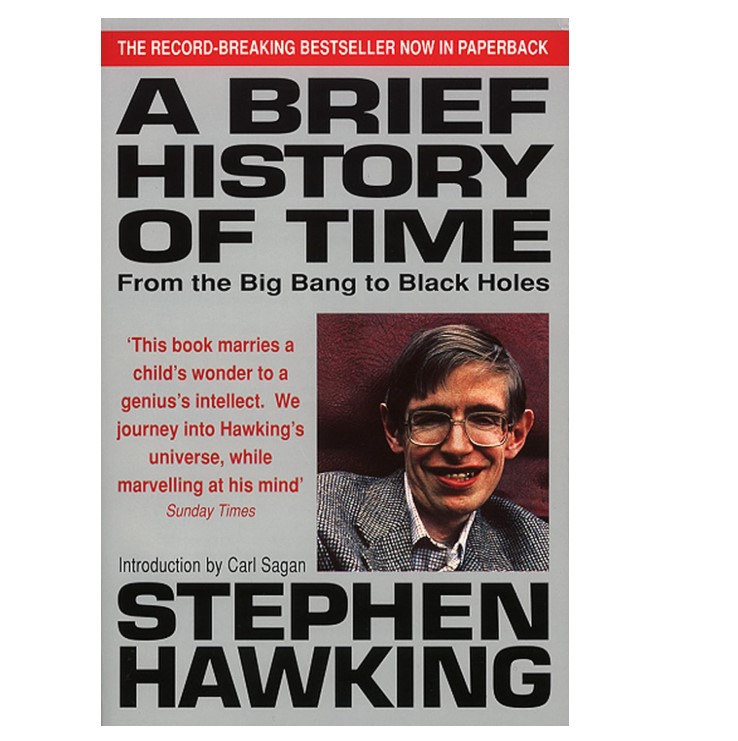
A Brief History of Time by Stephen Hawking, published in 1988, is a fascinating exploration of the universe’s origins, structure, and future. The book dives into topics like black holes, the Big Bang, and the nature of time, presenting complex ideas in an approachable way for readers.
This book made me look at the universe in an entirely new way. As someone without a deep background in physics, I was surprised by how accessible Hawking makes these difficult subjects. He explains challenging concepts using simple language and everyday examples, making the science easier to understand.
What stood out to me most is that the book is not only about science. It also becomes a philosophical exploration. Hawking raises deep questions about the universe: how it began, where it is heading, and whether there might be a unified theory that explains everything. These questions encourage readers to think about our place in the universe.
Throughout the book, Hawking constantly connects scientific discoveries with broader reflections about existence and understanding. The discussion around the nature of time and the possibility of a “theory of everything” particularly made me pause and think.
Overall, I found the book to be a powerful mix of science and philosophy. It is not just about theories or equations; it is about curiosity and wonder. Even though the ideas are complex, the book remains engaging and thought-provoking, leaving you with a deeper appreciation for the universe and our place within it.