
Buddha in Testing: Finding Peace in Chaos
Published:
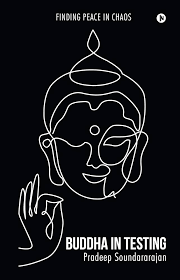
Buddha in Testing: Finding Peace in Chaos by Pradeep Soundarajan is one of those rare testing books that does not try to teach you how to test, but instead makes you pause and reflect on how you think while testing.
As someone with around four years of experience in software testing, this book felt uncomfortably familiar at many places. Deadlines that do not move. Bugs that magically become “not reproducible”. Pressure to sign off even when your gut says something is off. Chaos is not an exception in testing; it is the default state. This book does not deny that chaos. It asks you to make peace with it.
What stood out to me is how the book connects ideas from Buddhism—like awareness, detachment, and acceptance—to everyday testing situations. Not in a preachy or spiritual way, but in a very practical sense. For example, instead of reacting emotionally when a bug is rejected, the book nudges you to observe the situation calmly. Why was it rejected? What assumption is being challenged? What is the risk if it truly exists? That shift alone can change how you approach conflicts at work.
From a practical testing perspective, many examples hit close to home. Context switching, incomplete requirements, unclear expectations, and the constant feeling of being behind schedule are all discussed openly. The book does not offer frameworks or checklists. It offers something more subtle: a mindset that helps you survive and stay effective in messy systems. As a tester, that felt far more valuable than another technique or tool.
Philosophically, the book reminded me that testing is deeply human work. We deal with uncertainty all the time, yet we often expect absolute clarity. The idea of accepting uncertainty, instead of fighting it, resonated strongly. You still do your job seriously. You still question assumptions. But you stop tying your self-worth to every bug outcome or release decision. That balance is hard to learn on the job, and this book quietly points you in that direction.
That said, if someone is looking for step-by-step guidance, test design techniques, or automation strategies, this book may feel abstract. It assumes you already live in the chaos of real projects. In my opinion, that is exactly why it works best for testers who have spent some time in the field and have felt the emotional and mental weight of the role.
Overall, Buddha in Testing is less about becoming a better tester on paper and more about becoming a calmer, clearer, and more thoughtful one in practice. It helped me reflect on how I react under pressure, how I communicate uncertainty, and how I make decisions when there are no perfect answers. For a tester navigating daily bugs, deadlines, and ambiguity, this book feels like a quiet reminder to slow down, observe, and think before reacting.
If testing has ever felt overwhelming rather than just challenging, this book is worth reading—not to escape the chaos, but to learn how to stand steady inside it.