
Explore It!: Reduce Risk and Increase Confidence with Exploratory Testing
Published:
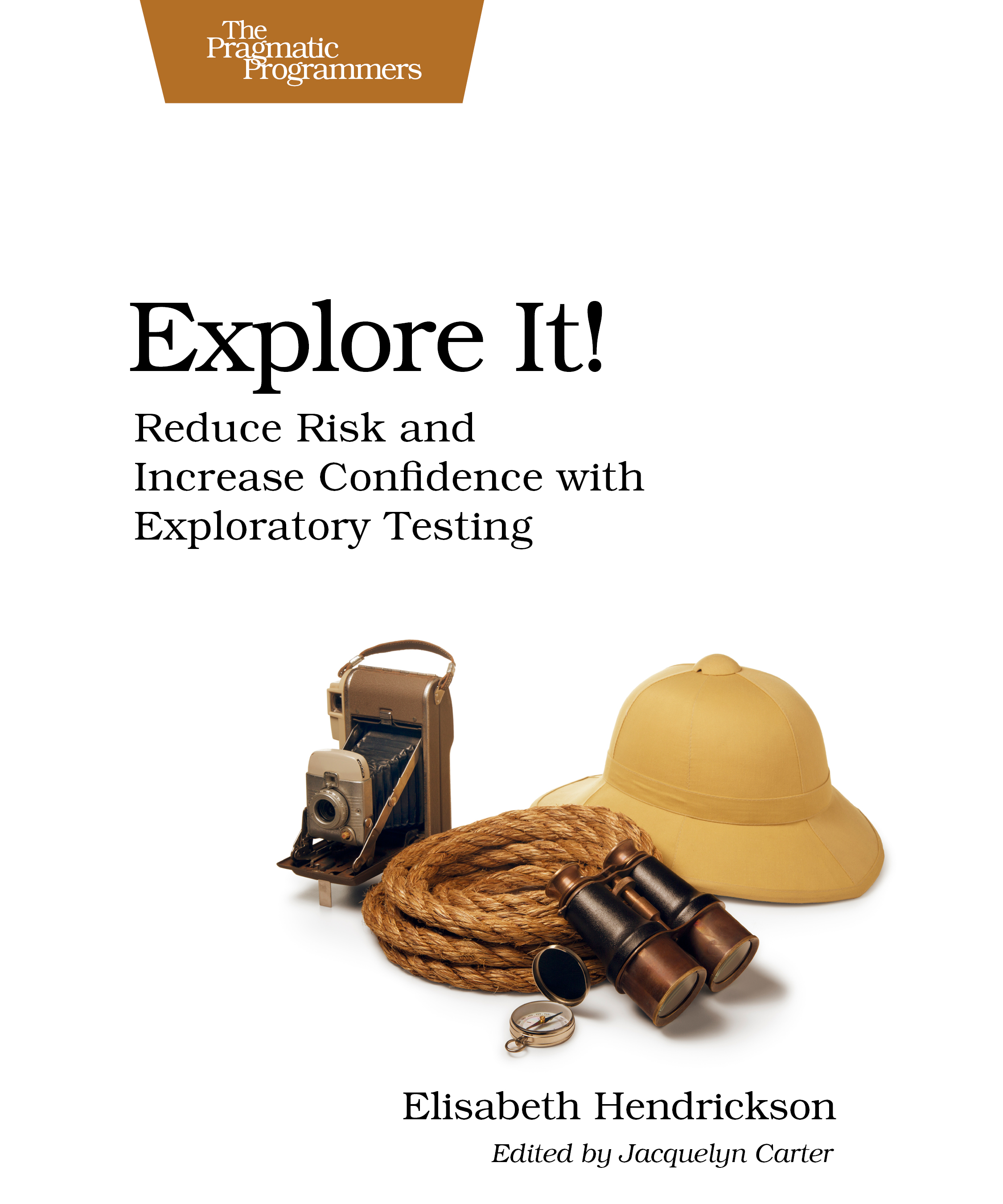
Explore It!: Reduce Risk and Increase Confidence with Exploratory Testing by Elisabeth Hendrickson is one of those books that quietly but permanently changes how you test—especially when you already have some experience and habits formed.
After around four years in testing, I realized something uncomfortable: I was doing exploratory testing, but often without structure. I relied heavily on intuition, past bugs, and gut feeling. Sometimes it worked well. Other times, I struggled to explain what I tested, why I tested it, and what risks I actually covered. This book helped put words, structure, and intent behind that intuition.
What makes Explore It! powerful is how practical it is. This is not a book about theory or definitions. It gives you concrete ways to start exploring better immediately. Ideas like tours, heuristics, charters, and observation lenses changed how I approach a feature from the very first interaction. Instead of randomly clicking around or jumping straight into edge cases, I now pause and ask: What am I exploring? What risk am I trying to uncover? What information do I want by the end of this session?
In daily testing work—especially when time is limited—this shift matters a lot. The book helped me become more intentional. Even short exploratory sessions started feeling more focused. I could adapt quickly when requirements were unclear or when documentation was missing, without feeling lost. And more importantly, I could explain my findings clearly to developers and stakeholders.
Another strong takeaway is how the book treats observation. It reminds you to pay attention not just to failures, but to behavior, patterns, confusion, and surprises. That sounds simple, but in practice, it is easy to miss when you are rushing to find “bugs.” This book trains you to slow down just enough to notice things others might ignore—and that often leads to more meaningful discoveries.
From a mindset perspective, Explore It! reinforced the idea that exploratory testing is not “unplanned testing.” It is disciplined, thoughtful, and deeply analytical. That distinction matters, especially in teams where exploratory testing is misunderstood or undervalued. After reading this book, I felt more confident defending exploratory work—not emotionally, but logically.
The writing style is clear and calm, without trying to sound authoritative or complex. The examples feel realistic and relatable, especially if you have worked on products with evolving requirements and tight deadlines. This is not a book you read once and forget. It is something you return to, especially when you feel stuck or unsure how to approach a new feature.
Overall, Explore It! directly improved how I test on a daily basis. It helped me move from instinct-driven exploration to intent-driven exploration. I still rely on intuition—but now it is guided by structure, purpose, and awareness of risk. For testers who want to sharpen their exploratory testing skills and gain confidence in their testing decisions, this book is not optional. It is foundational.